


NCA Resource Hub.
Tools for Regulation, Recovery & Everyday Support
Welcome to our curated resource hub for neuroaffirming coaching, leadership, sensory support, and everyday regulation.
Here you’ll find our books, frameworks, card decks, and carefully selected tools that may support focus, comfort, recovery, self-awareness, and more supportive daily environments.
This page includes our own resources, including Too Sensitive, My Ass!, Gentle Leading & Neurodivergence, the Little Black Book Series of Neuroinclusive Coaching & Leadership, and the SNIP™ Card Deck, alongside selected sensory tools, comfort items, fidget gadgets, and general wellness resources.
Some links on this page are paid affiliate links. If you purchase through them, we may earn a commission at no additional cost to you.
The information on this page is shared for educational and general wellness purposes only. It is not medical advice, diagnosis, treatment, or prescription.
Affiliate disclosure: Some links on this page are paid affiliate links. If you purchase through them, we may earn a commission at no additional cost to you.
Medical disclaimer: The information on this page is for educational purposes only and is not medical advice. It is not intended to diagnose, treat, cure, or prevent any disease. Please consult a qualified healthcare professional before starting, stopping, or changing any supplement, medication, diet, or treatment plan.
1. Our Books & Frameworks


Complete SeriesThe full Little Black Book Series brings together 350+ practical tools across six core domains of neuroinclusive coaching and leadership:Sensory & Emotional ProcessingCognitive & Temporal RegulationMotor & Energy RhythmsSocial & Communication StylesExecutive Function & Systems ThinkingOrganizational Design & Neuroinclusive ArchitectureTogether, the six volumes offer a diagnostic-neutral, practical, and system-aware approach to neuroinclusive coaching, leadership, and organizational transformation.
2. General Wellness & Supplements
Supplements are included here as general wellness resources only. We do not prescribe supplements, provide dosage guidance, or offer medical nutrition therapy. Please consult a qualified healthcare professional before using any supplement, especially if you take medication, are pregnant, have a diagnosed condition, or are purchasing for a child.





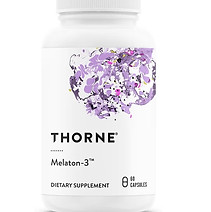


Supplements are included as general wellness resources only. We do not prescribe supplements, provide dosage guidance, or offer medical nutrition therapy. Please consult a qualified healthcare professional before using any supplement, especially if you take medication, are pregnant, have a diagnosed condition, or are purchasing for a child.
Magnesium Safety Note
More magnesium is not automatically better.
High amounts of magnesium from supplements or medications can cause digestive discomfort such as diarrhea, nausea, and abdominal cramping. Magnesium can also interact with certain medications, and people with kidney concerns should be especially cautious.
Please consult a qualified healthcare professional before using magnesium supplements, especially if you take regular medication, have kidney issues, are pregnant, or are purchasing for a child.
General Supplement Note
More is not always better. Supplements can interact with medications, health conditions, pregnancy, lab values, and other supplements. Please use this section as a starting point for education and professional conversation — not as a protocol.


4. Comfort, Pressure & Recovery




5. Taste, Temperature & Oral Input
Regulation does not always look quiet.
Sometimes it looks like crunching.
Sometimes it looks like sipping something cold.
Sometimes it looks like sour candy, spicy food, peppermint, chewing gum, warm tea, crushed ice, or the sharp sensory hit of ginger.
Taste, temperature, texture, and oral input can create strong sensory signals. For some people, those signals can feel grounding, organizing, alerting, soothing, or simply more accessible than “just calm down” advice.
This is one reason why oral sensory input can matter in everyday regulation.
Crunchy snacks can offer pressure and sound.
Sour candy can create a sharp sensory reset.
Peppermint can feel fresh, clear, and activating.
Spicy food can bring strong body awareness.
Warm tea can feel steady and comforting.
Cold water, ice cubes, or crushed ice can create a clear temperature signal.
Chewing gum can add rhythm and repetition.
Pickles, lemon water, ginger chews, salty-sour foods, and textured snacks can all provide specific sensory feedback.
For some people, regulation comes from reducing input.
For others, it comes from finding the right kind of input.
That might mean:
-
crunchy snacks
-
sour candy
-
peppermint
-
ginger chews
-
spicy snacks
-
chewing gum
-
electrolyte drinks
-
cold water bottle
-
warm tea
-
reusable straw bottle
-
ice cubes or crushed ice
-
lemon water
-
pickles or salty-sour foods
-
textured snacks
-
sparkling water
-
frozen grapes or frozen fruit
-
citrus slices
-
herbal tea
-
warm broth or soup
-
hard candy or mints
-
chewy dried fruit
-
crunchy vegetables
-
reusable chew tools designed for oral sensory input
This is not about telling anyone what to eat.
It is about recognizing that the mouth is sensory, too.
Taste, chewing, temperature, texture, and rhythm can all become part of a regulation toolkit — especially when someone is trying to stay present, transition between tasks, recover from overload, or find a body signal strong enough to cut through the noise.
Explore gently. Notice what helps. Keep what supports you. Leave what does not.
Sensory resource only. Not medical advice or nutrition advice.
Stimming & Regulating
Everyday Tools for a Body That Is Trying to Help
Stimming is often misunderstood.
From the outside, it may look like:
-
fidgeting
-
snacking
-
rocking
-
tapping
-
chewing
-
stretching
-
pacing
-
squeezing
-
humming
-
seeking something cold, warm, crunchy, sour, spicy, soft, heavy, minty, or textured
But from the inside, it can be something very different.
A body trying to regulate.
A nervous system trying to find rhythm.
A brain trying to stay present.
A person trying to stay connected without pushing past capacity.
Stimming is not always random.
It can be sensory input.
It can be grounding.
It can be transition support.
It can be activation.
It can be decompression.
It can be a way to return to the body when the world becomes too loud, too fast, too bright, too vague, too demanding, or simply too much.
That is why regulation does not always look like meditation.
Sometimes regulation looks like crunchy food.
Sometimes it looks like sour candy, peppermint, chewing gum, a weighted blanket, a hot water bottle, an ice pack, a pressure pillow, a fidget ring, a textured stone, a wobble cushion, lavender scent, noise-reducing headphones, or five minutes under a soft blanket with the lights down.
Regulation is not about becoming less sensitive.
It is about understanding what kind of input helps the system feel safer, clearer, more organized, or more available.
For some people, that means less input.
For others, it means more specific input.
Pressure.
Texture.
Taste.
Temperature.
Movement.
Weight.
Sound.
Scent.
Rhythm.
Chewing.
Stretching.
Warmth.
Cold.
Silence.
Repetition.
This resource hub was created to make those options easier to explore.
Not as a treatment plan.
Not as a prescription.
Not as a one-size-fits-all solution.
But as a collection of educational tools, sensory supports, coaching resources, and everyday ideas for people who want to build environments that work better with the nervous system — not against it.
Sensory resource only. Not medical advice.
As an Amazon Associate, we earn from qualifying purchases.